Jazz Piano · Harmony & Voicings
The Jazz Piano Book
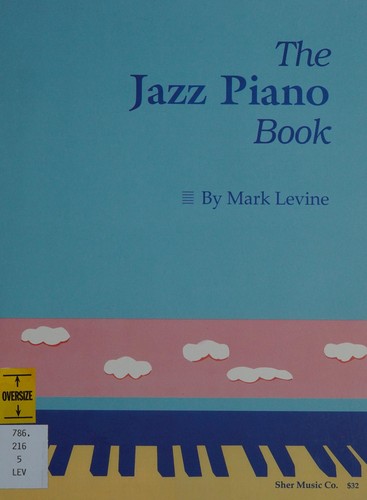
The book I've learned the most from — I first got it around age fourteen and never really put it down. No single volume teaches the sound of modern jazz piano more directly.
The bottom line
Let me drop the reviewer’s neutrality for this one. Of every book on this site, this is the most important to me personally. I first got The Jazz Piano Book when I was about fourteen, and I’ve simply learned more from it than from any other single volume — it’s the book that taught me what modern jazz piano actually sounds like under the hands, long before I could have told you why. So read the rating with that in mind: the 4.5 reflects the honest gaps I’ll get to below, not any lack of love. If my shelf caught fire, this is the book I’d grab first.
The core of the book is voicings — how jazz pianists since Bill Evans and McCoy Tyner actually stack notes under their hands. Chapters Three through Eight build a complete left-hand and two-hand vocabulary from three-note voicings up through altered left-hand structures; Chapters Twelve through Nineteen add So What chords, fourth chords, upper structures, stride and Bud Powell voicings, and block chords. Every device is tied to the player who made it famous — the book’s photography directory reads like a hall of fame: Monk, Bud Powell, Bill Evans, Barry Harris, McCoy Tyner, Wynton Kelly.
Published in 1989, six years before Levine’s Jazz Theory Book, it’s the leaner, more instrument-specific, more immediately useful of the two. If you play jazz piano and own no books, start here. If you already own The Jazz Theory Book, this one still isn’t redundant — it’s the pianistic half Levine wrote first.
Who it’s for — and who should skip it
Get it if you’re a pianist who can read music and play some tunes, but your chords still sound like choir homework — root-position sevenths, no color, no motion. This book exists to fix exactly that. Also essential for classical pianists crossing over, and genuinely useful for arrangers and guitarists who want to understand piano voicings.
Skip it (for now) if you’re a total beginner — Chapter One (“Intervals and Triads — Review”) is a review, not a lesson, and by Chapter Three you’re voicing II-V-Is in all twelve keys. Jeremy Siskind’s Jazz Piano Fundamentals is the modern on-ramp; come back to Levine a year later. Also skip it if what you need is repertoire or reading practice — there are examples from tunes throughout, but this is a concepts book.
What’s inside
Twenty-three chapters plus a listening guide and an appendix of voicings, ©1989:
- The foundation (Ch. 1–2): intervals/triads review, the major modes and II-V-I.
- The voicing core (Ch. 3–8): three-note voicings, sus and Phrygian chords, adding notes to three-note voicings, tritone substitution, left-hand voicings, and altering notes in left-hand voicings. This 50-page run is the book’s engine room — work through it slowly and your comping is transformed.
- Scales (Ch. 9–11): “Scale Theory” (major, melodic minor, diminished, whole-tone — a compact preview of what later became ninety pages of the Theory Book), then the crucially named “Putting Scales to Work” and “Practicing Scales.”
- The modern colors (Ch. 12–16): So What chords, fourth chords, upper structures, pentatonic scales, and the summary chapter “Voicings, Voicings, Voicings.”
- The tradition (Ch. 17–19): stride and Bud Powell voicings, four-note scales, and block chords (the Shearing/Red Garland toolkit).
- The rest (Ch. 20–23): a Salsa and Latin Jazz chapter (prepared with help from Rebeca Mauleón and John Santos of San Francisco’s Machete Ensemble — it shows), ’comping, loose ends, and “Practice, Practice, Practice,” closing with the Listen discography.
Strengths
- It teaches sounds, not just rules. Every voicing is presented as something a specific master actually played. You learn So What chords from So What.
- Perfect sequencing in the voicing chapters. Three-note shells → added color tones → alterations is exactly the order hands learn in. I’ve taught from this sequence for years and have found nothing better.
- The Latin jazz chapter is unusually honest for a 1989 American jazz book — real montuno feel, real sources, not a token appendix.
- The stride/Powell and block chord chapters connect you backward to the tradition most voicing-focused students skip entirely.
Weaknesses
- Rhythm is barely addressed. The ’comping chapter tells you what to play far more than when. You can finish this book voicing beautifully and still comp like a metronome with anxiety.
- It’s pre-1990 by design. Nothing on the harmonic language after McCoy/Herbie — no Mulgrew-and-after modernism, no neo-soul voicings, nothing contemporary. It teaches the canon, full stop.
- “Review” chapters overestimate readers. The jump from Chapter Two to voicing fluency assumes a comfort with keys and modes that many self-taught readers don’t have yet.
- No audio. In 1989 that was normal; in 2026 you must supply the sound yourself — play everything, slowly, or the book stays theoretical.
How to actually practice with this book
The book’s own advice (Chapter Twenty-Three) is good; here’s the route I give students:
- Live in Chapters 3–8 for three to six months. One voicing type at a time, through all twelve keys, then immediately through a real tune. Three-note voicings on All The Things You Are is the classic first assignment — two choruses, left hand alone, then with melody.
- Apply every device to the same three tunes. Pick a blues, a standard with a cycle bridge, and a modal tune (So What is literally in the book). New voicing → same tunes. This builds a comparable “before/after” you can hear.
- Steal the listening list. The Listen section and the photography credits are a curriculum: when you learn So What chords, spend the week with Bill Evans on Kind of Blue; block chords week is Red Garland week.
- Don’t read Chapter 9 as theory homework — treat each scale sound as a voicing generator (that’s what Chapters 12–16 actually do with them).
- Test your ears as you go. After each voicing chapter, have someone (or an app — this is where Earonman’s Jazz Voicings mode was built for exactly this) play voicing types blind and identify them. If you can’t hear the difference between a fourth chord and an upper structure, you haven’t finished the chapter.
How it compares
- vs. The Jazz Theory Book (Levine): the Theory Book is broader and instrument-neutral; this one is pianistic and more practical per page. Pianists should own this one first.
- vs. Jazz Piano Fundamentals (Siskind): Siskind is the better course — sequenced units, practice plans, videos — and the gentler start. Levine is the better reference and goes deeper into the modern voicing vocabulary. They stack beautifully: Siskind first, Levine second.
- vs. Voicings for Jazz Keyboard (Frank Mantooth): Mantooth’s system (miracle voicings) is quicker to gig-ready comping but narrower; Levine explains more of the why and covers far more stylistic ground.
Rating breakdown
| Criterion | Score | Why |
|---|---|---|
| Clarity | 4.5/5 | Friendly, example-driven, beautifully sequenced in the core chapters. |
| Depth | 4.5/5 | The complete pre-1990 vocabulary; nothing after, by design. |
| Practicality | 4.5/5 | Everything lands under your hands — though you must impose the twelve-key discipline yourself. |
| Value | 5/5 | Decades of nightly-use material in one spiral binding. |
| Overall | 4.5/5 | The jazz piano book. Bring your own rhythm and your own century. |
Check price on Amazon (affiliate link — costs you nothing, keeps the reviews coming)